5 Reasons Shawls Are the Ultimate Winter Accessory
Warm, versatile, and steeped in heritage — five reasons a good shawl is the hardest-working piece in your winter wardrobe.
Long before puffer jackets and thermal leggings, there was the shawl — and it is still here, still relevant, and still one of the smartest things you can own for winter. Part blanket, part fashion statement, part heirloom, the shawl does more work per square inch than almost anything else in your closet. Here are five reasons it earns its place every single winter.
1. Serious Warmth Without the Bulk
A good wool or pashmina-blend shawl traps heat remarkably well for something so light. Draped over your shoulders, it covers your neck, back, and arms — the exact zones where winter chill creeps in. Unlike a heavy coat, it never feels restrictive; you can move, sit, drive, and work with complete ease.
2. One Piece, Endless Ways to Wear It
Few accessories are this adaptable. Drape it loosely over a kurta for daytime, wrap it snugly like a scarf for a windy evening, fold it into a stole for a formal dinner, or spread it over your lap at an outdoor wedding. A single shawl shifts shape to match the occasion, which means it travels well and packs light for winter trips up north.
3. It Elevates the Simplest Outfit
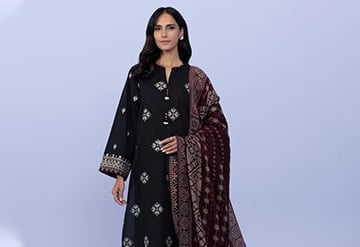
A plain black kurta becomes an evening look the moment you add an embroidered shawl. A basic sweater-and-jeans combination turns interesting with a printed wool wrap. The shawl is the fastest outfit upgrade in existence — no changing, no ironing, just drape and go. Keep one statement shawl in your bag during winter and you are never underdressed.
4. It Pairs With Everything You Own
Eastern or western, formal or casual, the shawl refuses to clash. It works over shalwar kameez, over long coats, over evening dresses, even over a simple t-shirt and jeans on a chilly night. Because it is essentially a beautiful rectangle of fabric, there are no zippers, buttons, or sizing issues to worry about — it simply works.
5. A Living Piece of Heritage
Beyond fashion, the shawl carries cultural weight. The weaving and embroidery traditions behind it — from intricate threadwork to classic woven borders — connect every winter wardrobe to generations of craft. Buying a well-made shawl is also a vote for keeping those skills alive. It is one of the rare accessories that feels meaningful as well as beautiful.
How to Drape a Shawl: Four Easy Styles
The classic drape: Fold lengthwise and lay over your shoulders, letting both ends hang evenly in front. Effortless and elegant.
The one-shoulder throw: Drape over both shoulders, then toss one end over the opposite shoulder. Secure with a brooch for evenings — it stays put and looks intentional.
The belted wrap: Wrap the shawl around your shoulders and cinch with a slim belt at the waist over a dress or long kurta. Modern, structured, and surprisingly warm.
The head-and-shoulder cover: Drape over your head and shoulders for religious occasions or extra-cold evenings. Traditional, graceful, and practical.
Caring for Wool and Pashmina Shawls
Good shawls last decades with proper care. Fold rather than hang to prevent stretching. Air them out after wearing instead of washing frequently — wool cleans itself remarkably well. When washing is needed, use cool water and gentle detergent, never wring, and dry flat in shade. Store with cedar or lavender to deter moths, and keep them away from Velcro and rough jewellery that can snag the weave.
Choosing Yours
Look for a tight, even weave and soft hand-feel; quality shows immediately in a shawl. A deep jewel tone makes the biggest style impact, while a neutral beige, grey, or black gets the most wear. Ideally, own one of each — and winter is officially handled.