5 Mehndi Outfit Ideas for Every Kind of Wedding Guest
Mehndi is the one wedding event where colour rules and dancing is mandatory. Whether you are the bride's best friend or a plus-one, here are five outfit formulas to help you dress the part.

Of all the wedding events, the mehndi is the most fun to dress for. The dress code is looser, the colours are louder, and nobody expects you to sit still — you will be dancing, so your outfit needs to move with you. Unlike the baraat's formality, mehndi dressing rewards personality.
Before picking an outfit, figure out which guest you are. Each one has a different brief.
1. The Bride's Best Friend: Go Bold in Yellow-Green
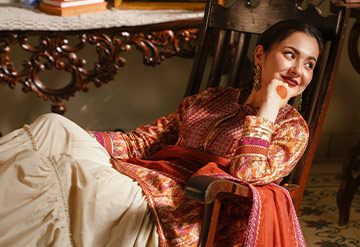
If you are in the inner circle, you are in photos all night. This is your licence for the classic mehndi palette: marigold yellow, leafy green, hot pink. A yellow embroidered kurta with a green gharara or sharara is the time-tested formula for a reason — it pops against every backdrop and reads festive instantly.
Styling notes: gota or mirror detailing suits the daytime-meets-evening energy of most mehndis. Keep footwear flat — khussas or embellished slides — because you will be on your feet. Add fresh flowers to your hair if the event leans traditional; it is a small touch with big payoff in pictures.
2. The Dancing Cousin: A Kaftan That Moves
If your role at the mehndi involves actual bhangra, dress for motion. A flowy kaftan in silk or a breezy printed fabric lets you dance without adjusting a dupatta every five minutes. Kaftans also suit a wide range of body types since the silhouette skims rather than clings.
Pick one with an interesting neckline — embellished, boat-shaped, or with tassel ties — since the kaftan's simplicity needs one focal point. Pair with slim trousers or wear it solo with heels. A crushed or lightweight dupatta draped loosely is optional, not required.
3. The Minimalist: One Colour, Done Well
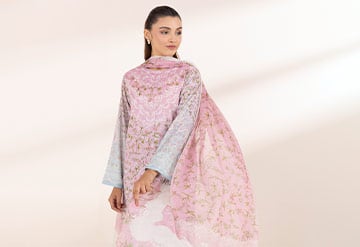
Not everyone wants to look like a marigold. If your aesthetic is clean and modern, a monochrome outfit in a rich tone — deep teal, burnt orange, berry — can outshine busier looks. The trick is texture: a jacquard or subtly embroidered fabric in a single colour looks intentional and expensive.
Finish with one strong accessory: oversized jhumkas, a statement clutch, or a bold lip. Minimalist dressing at a mehndi works precisely because everything around you is maximalist.
4. The Family Elder's Favourite: The Classic Long Shirt
For the guest who wants to look traditional without fuss — the aunt-approved option that still feels current. A long embroidered shirt with a straight shalwar or trousers, in a warm tone like rust, mustard or olive, hits the sweet spot between respectful and stylish.
This formula is also the most rewearable of the five. Change the dupatta and jewellery, and the same shirt works for Eid, a formal dinner, or another wedding down the line. If you are investing in one mehndi outfit this season, make it this one.
5. The Little Guest: Something She Can Actually Play In
Kids at mehndis need outfits that survive the evening. For little girls, a lightly embroidered lehenga-choli or a tiered frock in a festive colour works — but check that nothing itches and the length does not trip her. For boys, a simple kurta with a waistcoat looks sharp and stays comfortable.
Practical tip: dress kids in outfits with elastic waists and minimal dangling embellishment. They will be happier, and you will spend the evening enjoying the function instead of managing a wardrobe malfunction.
Matching Your Outfit to the Venue and Time
Mehndis happen everywhere from farmhouse lawns to hotel ballrooms, and the setting should influence your choice.
Daytime outdoor mehndi: Sunlight is unforgiving to heavy makeup and dark colours absorb heat. Opt for breathable fabrics in bright, light-reflecting shades — yellows, corals, light greens. Keep jewellery minimal and secure; wind and dancing are a bad combination for dangling pieces. Sunglasses in photos are fine — it is daytime, after all.
Evening marquee or hall: This is where richer fabrics and deeper colours shine — literally. Artificial lighting loves shimmer, embroidery and jewel tones. It is also where you can handle a heavier outfit, since you are not fighting the sun. A velvet or silk element works here even in milder weather.
Intimate home mehndi: Smaller gatherings call for warmth over grandeur. A beautiful but comfortable outfit — the kind you can sit on the floor in, help with arrangements, and still look lovely in pictures. Home mehndis are where the "one good kurta, great styling" approach wins.
Destination or farmhouse mehndi: Expect grass, uneven ground and lots of walking. This is the venue for block heels or flats (never stilettos — they sink), shorter hemlines that will not drag, and outfits you do not mind getting a little dusty. Practical does not mean plain; it means smart.
Shopping Smart for the Mehndi Season
Wedding season means multiple mehndis, and nobody wants to buy a brand-new outfit for each one. Shop with a rotation mindset: one hero outfit for the biggest event, and versatile separates you can remix for the rest. A bright embroidered kurta worn with a sharara at one mehndi can reappear with straight trousers and different jewellery at the next — nobody tracks your outfits as closely as you do.
If you are buying unstitched, get it to the tailor early. Wedding season is the tailor's busiest time, and rushed stitching shows. Three weeks before the event is comfortable; ten days is cutting it close. And always try on the finished outfit once before the day — necklines, sleeve lengths and trouser hems are easier to fix at home than at the venue.
Jewellery and Dupatta Pairing
Mehndi jewellery follows one principle: it should survive dancing. Long necklaces tangle, oversized earrings fly — choose pieces that stay put. Jhumkas with secure backs, a sturdy choker or a simple pendant, and bangles that do not slide off mid-bhangra. Fresh flowers in the hair are beautiful but wilt; good artificial gajras last the whole night and photograph just as well.
For dupattas, pin them. A dupatta pinned at both shoulders stays through hours of dancing; a loose one becomes a chore by the second song. If your outfit has a heavily embroidered dupatta, let it be the jewellery — skip the necklace and let the fabric shine.
Colour Etiquette: What Not to Wear
A quick word on mehndi colour politics. White and black are traditionally avoided at mehndis — white reads as mourning-adjacent in desi contexts, and head-to-toe black can look funereal against the event's joyful palette (black accents within a colourful outfit are perfectly fine). Red is the bride's territory at many weddings; wearing bridal red as a guest at the mehndi risks looking like you are competing. When in doubt, ask the family — some are relaxed about all of this, others are not, and a thirty-second question avoids a day of side-eye.
A Few Universal Mehndi Rules
- Check the colour theme. Many families now set a dress code for the mehndi. A quick message to the host saves you from clashing with the decor — or worse, matching the bride.
- Comfort is non-negotiable. You will sit on the floor, dance, and eat with your hands. Choose outfits you can do all three in.
- Plan for the weather. Winter mehndis in marquees get cold after midnight — a shawl that coordinates with your outfit is smarter than shivering. Summer mehndis demand breathable fabrics.
- Rewear proudly. A mehndi outfit styled differently for Eid or another wedding is not repeating — it is smart dressing.
The best mehndi outfit is the one you forget you are wearing because you are too busy having fun. Pick the formula that matches your role, add your own twist, and go enjoy the dhol.