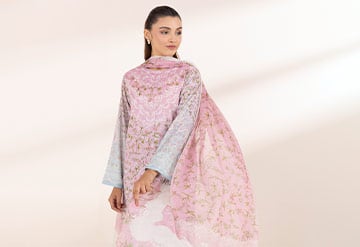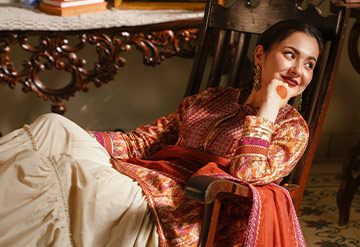
5 Formal Fabrics That Make the Perfect Eid Outfit
Choosing an Eid formal is easier when you start with the fabric. From regal raw silk to featherlight net, here are five fabrics that guarantee a luxurious Eid look — and how to style each one.
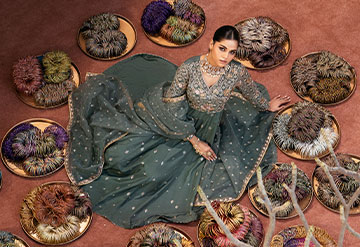
Eid outfit shopping usually starts with colour. It should start with fabric. The fabric decides how the outfit falls, how it photographs, how comfortable you are through a long day of greetings and food, and whether it survives the season to be worn again. Pick the right fabric and the rest of the styling almost takes care of itself.
Here are five formal fabrics that consistently deliver a luxurious Eid look.
1. Raw Silk: The Undisputed Classic
Raw silk has a natural sheen and a slight texture that reads expensive without any embellishment at all. It holds structure beautifully, which makes it ideal for tailored silhouettes — angrakha-style wraps, structured kurtas, A-line shirts with clean lines.
For Eid, a raw silk outfit in a rich tone like emerald, maroon or deep teal needs very little else. Pair with gold jewellery and you are done. One caution: raw silk creases, so it suits events where you will not be sitting cross-legged on the floor for hours. It is also a warmer fabric, so for a summer Eid, choose lighter weaves and looser cuts.
2. Net: Festive Without the Weight
Embroidered net gives you the look of heavy formals at a fraction of the weight. The sheer base with embroidery scattered across it creates that coveted "expensive but effortless" effect, and it layers beautifully over solid underlays in contrasting or matching tones.
Net works for both day and evening Eid events. A net shirt over a silk slip with straight trousers is elegant for daytime; the same piece with heavier jewellery carries an evening dawat. Handle with care on the day — net snags on rough surfaces and jewellery clasps, so do a quick check before you sit down anywhere textured.
3. Chiffon: The Graceful Draping Fabric
Chiffon's superpower is movement. It flows, it swishes, it catches the breeze — which makes it endlessly photogenic and very forgiving to wear. Embroidered chiffon three-pieces are a mainstay of Eid dressing because they suit nearly every body type and age.
Style chiffon with a well-fitted inner (the number one chiffon mistake is a visible, ill-fitting slip) and let the dupatta do the drama — a heavily worked chiffon dupatta over a simpler shirt is a classic combination. Chiffon wrinkles less than raw silk, making it the better pick for long, active Eid days.
4. Organza: Crisp, Modern, Architectural
Organza holds its shape, which gives outfits a sculpted, contemporary feel that softer fabrics cannot. It is the fabric behind those striking structured dupattas and statement sleeves you see at every Eid. An organza dupatta can elevate even a simple outfit — it is arguably the highest-impact single piece you can add to an Eid look.
Full organza suits are stunning but can feel stiff for all-day wear, so consider organza as an accent: the dupatta, the sleeves, or an overlay panel. It also photographs with a beautiful translucent glow in daylight, which is worth remembering for Eid morning pictures.
5. Velvet (for Winter Eids): Warmth as Luxury
When Eid falls in cooler months, velvet is unmatched. It is warm, it is rich, and it needs minimal embroidery to look formal. A velvet shirt with a contrasting dupatta, or a full velvet two-piece in jewel tones, is effortlessly luxurious.
The trade-off is weight and warmth — velvet is strictly a cool-weather fabric in Pakistan. Save it for winter Eids and evening events; it will be miserable at a summer afternoon dawat.
Rewearing Your Eid Formals
A formal Eid outfit is an investment, so plan its second life before you buy. Net and chiffon pieces restyle easily for weddings — change the jewellery and dupatta draping and it reads as a different outfit. Raw silk separates can be broken up: the shirt with plain trousers for dinners, the trousers with a simple top for formal lunches. Organza dupattas are the ultimate recyclers — they elevate plain outfits for years. When shopping, favour classic cuts over hyper-trendy ones; they rewear far better.
Putting It Together: A Quick Decision Guide
- Morning Eid prayers and family breakfast: Chiffon or net — light, graceful, photogenic.
- Afternoon dawats: Raw silk or embroidered lawn-silk blends — polished but comfortable.
- Evening parties: Net with heavier embroidery, organza accents, or velvet in winter.
- Three days of events: Vary the fabric each day rather than the colour. Different textures in a similar palette look like a curated wardrobe, not repeats.
Whatever fabric you choose, get the fit right — even the most luxurious raw silk looks ordinary if the shoulders do not sit properly. And remember that the best Eid outfit is one you can hug your grandmother in, chase a toddler in, and still look immaculate in the evening photos.