Festive Unstitched Fabrics: A Buyer's Guide for Wedding Season
Chiffon or raw silk? Pastel or jewel tone? How to choose unstitched festive fabric wisely — and get it stitched into something you will love wearing.
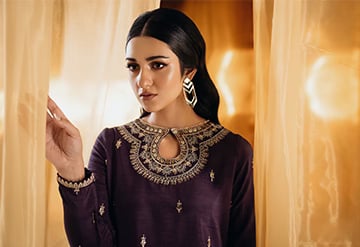
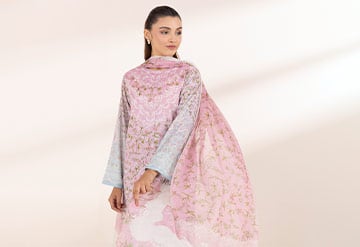
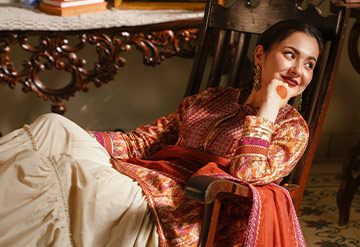
Unstitched festive fabric is a peculiarly Pakistani joy: three pieces of possibility, a good tailor, and the promise of an outfit nobody else will be wearing. But standing in front of a wall of embroidered options, it is easy to buy with your eyes and regret with your wardrobe. This guide walks through choosing festive unstitched the way experienced shoppers do — fabric first, color second, embroidery last.
Start With the Fabric, Not the Design
The base fabric determines how the finished outfit behaves, how comfortable it is, and which season it suits:
- Chiffon and georgette: Light, flowy, endlessly festive. Best for evening events and warmer months. Needs a lining, so factor that into your tailoring budget.
- Raw silk and shamoz silk: Structured with a natural sheen. Holds embroidery beautifully and suits winter weddings.
- Net: Dramatic and sheer — gorgeous as an overlay or dupatta, but always needs an inner.
- Cambric and cotton-silk blends: For daytime festive events where you want polish without heaviness.
- Velvet: Reserved for deep winter formals. Rich, heavy, unforgettable — and unforgiving in the wrong season.
Buy the fabric for the event you are actually attending, not the one in your imagination.
Reading Embroidery Like a Pro
Not all embellishment is equal. Thread embroidery (tilla, resham) is the most versatile — elegant in daylight, pretty in photos. Sequins catch evening light beautifully but can look harsh under noon sun. Hand-worked details like dabka, naqshi and kora cost more and are worth it for bridal-adjacent events; machine embroidery is perfectly fine for regular dawats. Flip the fabric over: neat, dense backing means quality that will survive washing and wear.
Choosing Colors That Work for You
Festive does not have to mean loud. Consider:
- Jewel tones (emerald, ruby, sapphire) flatter most South Asian skin tones and photograph richly.
- Pastels (powder blue, blush, mint) feel fresh and modern, especially for daytime events.
- Metallics and neutrals (gold, champagne, ivory) are timeless for evening wear.
- Black is always dramatic — just add interesting jewelry so it does not read flat.
Hold the fabric up to your face in natural light before committing. If your skin looks lit from within, that is your color.
The Dupatta Decision
The dupatta can make or break unstitched festive. A heavily embroidered shirt pairs best with a simpler dupatta — plain chiffon with a finished edge, or a lightly bordered one. If the shirt is relatively plain, let the dupatta carry the drama: an embroidered net or a contrasting silk. Mismatched-on-purpose dupattas in a contrasting color are very current and stretch one suit across multiple events.
Briefing Your Tailor
Bring reference photos, but also bring honesty about your lifestyle: will you sit on the floor at a mehndi? Then skip the floor-grazing hem. Do you carry a baby? Avoid trailing sleeves. Ask for:
- Comfortable armholes (raise your arms in the fitting)
- A neckline you can wear without constant adjusting
- Pockets if the design allows — you will use them more than you think
- A little extra seam allowance for future alterations
How Much Fabric Do You Actually Need?
A common unstitched-buying anxiety: is three meters enough? For most women's three-piece suits, the standard unstitched length (around 3–3.25 meters for the shirt plus separate trouser and dupatta fabric) covers standard cuts. If you want a flared pishwas, a long anarkali-style shirt or an extra-wide palazzo, ask the retailer — some suits include extra length, and some do not. When in doubt, buy the suit and discuss the design with your tailor before cutting, not after.
Timing It Right
Give your tailor at least two to three weeks before the event, more in wedding season when every darzi in the city is booked. Last-minute stitching is how beautiful fabric becomes a disappointing outfit.
Working With Your Tailor's Calendar
Wedding season books every good tailor solid. If your festive event is in December, deliver fabric by early November — earlier for complex designs with heavy embroidery placement. Ask upfront about their queue and get a committed delivery date, then add a buffer week. A rushed tailor is how beautiful fabric becomes a disappointing outfit, and no discount is worth that.
Festive unstitched is an investment — of money, time and imagination. Choose thoughtfully, stitch carefully, and you will have an outfit that feels entirely, unmistakably yours.