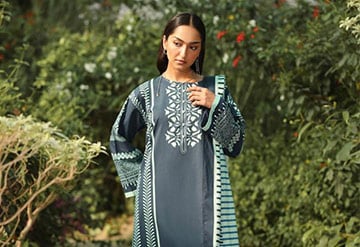
The Tailor's Menu: Pick-and-Mix Details to Customise Your Unstitched Suit
Think of your tailor's options like a menu: necklines, sleeves, hems and trouser cuts to mix and match until your unstitched suit feels one-of-a-kind.
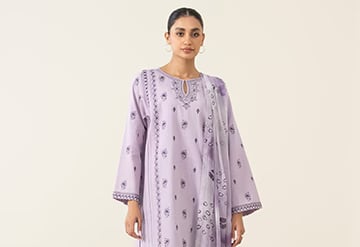
Most people hand their tailor an unstitched suit with one instruction: "make it nice." Then they wonder why every outfit looks the same. The secret of women whose stitched suits always look interesting is that they order from a mental menu — choosing details the way you would choose dishes. Here is that menu, organized so you can mix and match with confidence.
Starters: Necklines
The neckline sets the tone of the whole shirt.
- Band collar: Crisp, modern, office-friendly. Works on almost everyone.
- V-neck with a placket: Lengthens the neck; add small fabric buttons for detail.
- Round neck with lace trim: Soft and feminine, lovely for daytime.
- Boat neck: Elegant and slightly dressy — beautiful with an updo.
- Keyhole: A small cutout at the front or back adds interest without revealing much.
Pick the neckline for your lifestyle: if you wear a hijab or dupatta draped over your head, simpler necklines photograph better.
Mains: Shirt Silhouettes
- Classic straight: The workhorse. Side slits for ease, clean lines, goes with everything.
- A-line: Flares gently from the bust — forgiving and graceful.
- Flared/frock style: Full from the waist for festive drama.
- High-low hem: Shorter in front, longer at back — contemporary and great with trousers.
- Tunic length with palazzos: Relaxed, modern, comfortable for long days.
Sides: Sleeves and Cuffs
Sleeves are the most underrated detail. A bell sleeve transforms a plain shirt; a cuffed three-quarter sleeve looks tailored; a simple full sleeve with a slit and button reads classic. If the fabric is printed, keep sleeves simple. If the fabric is solid, let the sleeves carry the design.
The Trouser Course
The bottom half deserves as much thought:
- Cigarette pants: Slim, modern, the default for a reason.
- Straight trousers: Slightly more relaxed, very office-appropriate.
- Palazzos: Flowy and dramatic — best with shorter shirts.
- Traditional shalwar: With its characteristic pleats and narrow ankle — timeless with long shirts.
- Tulip or dhoti cuts: Fashion-forward; try once before committing to three suits.
Dessert: Finishing Touches
These small details elevate everything: lace or crochet edging on the hem and sleeves, fabric buttons down the placket, a contrasting piping along the neckline, delicate pin-tucks on the yoke. Choose one or two per outfit — restraint is what makes them look expensive.
Dupatta Styles to Complete the Look
The third piece deserves its own decisions:
- The classic drape: Over both shoulders, ends hanging front — timeless and modest.
- The one-shoulder pin: Pinned neatly on one shoulder — modern, practical, shows off the shirt.
- The head-cover drape: For prayer times and formal family events — keep a larger, softer dupatta for this.
- The contrasting pop: A dupatta in a contrasting color transforms a plain suit — the cheapest way to multiply outfits.
Finish matters: a neatly hemmed or lace-edged dupatta looks intentional; a raw edge looks unfinished.
Common Stitching Mistakes to Avoid
- Skipping the fitting. The number one cause of unworn suits.
- Over-embellishing. Lace on the neckline, sleeves, hem and trouser is not detail — it is noise. Pick two spots.
- Ignoring the trouser. An amazing shirt with a badly fitted trouser still looks bad. Budget equal attention.
- Copying a design unsuited to your fabric. Chiffon designs in khaddar, structured designs in flowy fabric — respect what the textile wants to do.
How to Order
Do not pick everything at once. For each new suit, change just two things from your usual — a new neckline here, a different trouser there. Small variations keep your wardrobe feeling fresh without any risk of a stitching disaster. And always, always do a proper fitting before the final finishing. The menu only works if the fit is right.