5 Ethnic Dress Styles to Wear for Festive Occasions in Pakistan
From the timeless shalwar kameez to the graceful saree, here is your guide to Pakistan's most loved festive silhouettes — and how to wear each one.
Pakistan's festive calendar never really stops. Between the two Eids, wedding season, mehndis, dawats, and family celebrations, there is always an occasion that calls for ethnic wear — and thankfully, our fashion heritage offers some of the most beautiful festive silhouettes in the world. The question is never whether to wear ethnic, but which style suits the occasion, your body, and your mood.
Here are the five essential festive styles every Pakistani wardrobe should know, with honest notes on when to wear each one and how to style it well.
1. Shalwar Kameez: The Undisputed Classic
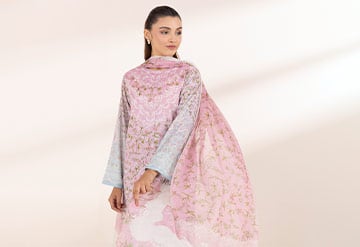
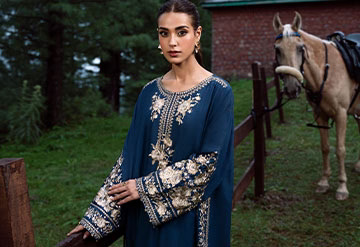
The shalwar kameez is not just an outfit in Pakistan — it is the default language of dressing, and in its festive form it is unbeatable. An embroidered three-piece in lawn, cambric, raw silk, or chiffon works for everything from Eid mornings to wedding dinners, depending on the fabric and embellishment.
When to wear it: Practically everywhere. A lightly embroidered lawn or cambric suit for Eid day and daytime dawats; raw silk or chiffon with heavier embroidery for evening events and wedding functions.
How to style it: The festive shalwar kameez lives or dies on its details. A well-cut neckline, embroidered sleeve borders, and a dupatta with a worked pallu elevate even a simple suit. For daytime, keep jewellery light — small jhumkas, a delicate bracelet. For evening, go bolder: statement earrings, a clutch, heeled sandals. The silhouette itself is endlessly adaptable — straight shirts with cigarette pants for a modern look, or a traditional cut with a voluminous shalwar for classic charm.
Who it suits: Everyone. This is the great advantage of the shalwar kameez — with the right cut, it flatters every body type and every age. If you are investing in one festive outfit a year, make it this one.
2. The Saree: Grace in Six Yards
The saree holds a special place in Pakistani festive dressing — elegant, dramatic, and unmistakably formal. In chiffon, silk, or organza with embroidered or embellished borders, a saree is the choice for occasions where you want to make an entrance: wedding receptions, formal dinners, and big Eid-evening gatherings.
When to wear it: Evening and night events. Sarees demand a certain setting — they shine at receptions and formal dawats, and can feel overdressed at a casual afternoon tea.
How to style it: The blouse makes the saree. A well-fitted, well-designed blouse — with an interesting back, embroidered sleeves, or a modern neckline — transforms the whole look. Drape the pallu over the shoulder for classic elegance or pleat it neatly for a sharper silhouette. Jewellery should be confident: chandelier earrings or a statement necklace (not both competing), bangles, and a sleek updo or polished blowout. Heels are non-negotiable — the saree's fall depends on height.
Who it suits: Sarees suit women comfortable with draping and carrying volume. If you are new to sarees, practice the drape at home before the event, and consider pre-stitched or ready-to-wear saree options that remove the guesswork.
3. Pishwas: The Regal Flare
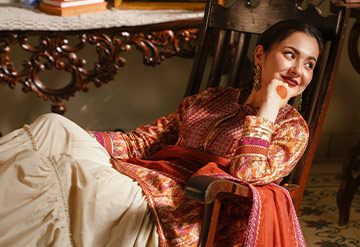
The pishwas — with its fitted bodice and dramatically flared skirt, often panelled — is one of the most romantic silhouettes in South Asian fashion. Rooted in Mughal court dress, it brings instant grandeur: the swirl of the flare, the richness of the fabric, the old-world charm.
When to wear it: Weddings (as a guest, or for mehndi and shaadi functions), formal Eid evenings, and festive occasions where drama is welcome. A pishwas in embroidered chiffon, raw silk, or organza with a churidar or straight trouser underneath is a complete festive statement.
How to style it: Let the flare be the star. Keep the bodice neckline elegant but simple, choose a dupatta in a complementary sheer fabric draped lightly, and wear heels — the pishwas needs height to show its full sweep. Traditional jewellery — jhumkas, a tikka, bangles — pairs beautifully with the silhouette's heritage feel. This is also the silhouette where a good petticoat or cancan underneath makes all the difference to how the flare holds.
Who it suits: The pishwas's fitted bodice and flared skirt balance proportions beautifully, making it flattering on most figures. Petite women should watch the volume — a slightly shorter flare keeps the look proportional.
4. Kaftan: Effortless Festive Ease
The kaftan has travelled from Middle Eastern and North African dress into Pakistani festive wardrobes, and it has earned its place. Loose, flowing, often kaftan-cut with wide sleeves, it is the rare festive outfit that is both glamorous and genuinely comfortable — no tugging, no adjusting, no careful sitting.
When to wear it: Dawat-style gatherings, Eid dinners, festive brunches, and occasions where you want to look dressed-up while staying completely at ease. Embroidered or embellished kaftans in silk, chiffon, or crepe work for evenings; lighter printed versions suit daytime.
How to style it: A belt can define the waist if you want more shape; worn loose, the kaftan is pure relaxed luxury. Pair with straight trousers or a slim shalwar underneath, heeled sandals, and one striking accessory — bold earrings or a cuff. Hair can be simple — the kaftan's ease extends to the whole look. Avoid over-accessorising; the silhouette's beauty is its simplicity.
Who it suits: The kaftan is wonderfully forgiving and suits all body types, particularly anyone who prefers not to wear fitted clothing to festive events. It is also an excellent choice for new mothers and anyone who wants festive polish without fuss.
5. Sharara and Palazzo with Tunics: The Modern Festive Mix
The sharara — wide-legged, flared trousers, often heavily embroidered — paired with a short tunic or kameez is the festive look of the moment, and palazzo pants with long tunics offer a softer version of the same idea. These are fusion silhouettes: traditional embroidery and fabrics cut in contemporary shapes.
When to wear it: Mehndis, dholkis, Eid evenings, and wedding functions where you want to look current. The sharara in particular is a mehndi favourite — the flare moves beautifully when you dance.
How to style it: Balance is everything. Wide bottoms need a fitted or structured top — a short embroidered kameez with a sharara, a sleek long tunic with palazzos. Keep the dupatta light and easy to manage (a net or chiffon dupatta pinned at the shoulder), because volume on both top and bottom overwhelms. Heels help enormously with wide-legged bottoms. This is the silhouette to experiment with colour — shararas look spectacular in bold, festive shades.
Who it suits: The sharara's flare adds volume below, which balances broader shoulders beautifully; palazzos with a long tunic elongate petite frames. Both are comfortable for long events with lots of movement.
Choosing the Right Style for the Occasion
A quick cheat sheet:
- Eid morning/daytime: Embroidered shalwar kameez — comfortable, photogenic, appropriate.
- Eid evening: Saree, pishwas, or a rich sharara set.
- Mehndi/dholki: Sharara or kaftan — made for movement and colour.
- Wedding reception: Saree or pishwas for maximum formality.
- Family dawat: Kaftan or an elegant shalwar kameez — festive without trying too hard.
Fabric Notes for Festive Ethnic Wear
The silhouette gets the attention, but fabric does the work. For daytime festive: embroidered lawn, cambric, and cotton-silk blends. For evening: chiffon, raw silk, organza, and velvet in winter. The right fabric for the time of day is what makes a festive outfit look appropriate rather than just pretty.
Accessories: Jewellery, Shoes, and Finishing Touches
The right accessories unify any of these five silhouettes. A few principles that always work:
Jewellery: Match your metal to your embroidery — gold with warm-toned threadwork, silver with cool tones. With heavily embellished outfits, choose one statement piece (earrings or a necklace, not both competing). With simpler outfits, you can afford to be bolder. Jhumkas remain the most versatile festive earring in Pakistani dressing — they suit every silhouette on this list.
Shoes: Heels elevate sarees, pishwas, and shararas by improving the fall of the fabric; elegant flats or khussas suit shalwar kameez and kaftans for daytime. Whatever you choose, make sure you can walk, stand, and sit comfortably — festive days are long, and pained feet show on your face.
Bags: A small clutch or potli for evenings; a structured handbag for daytime events. The bag should complement, not match exactly — a contrasting clutch in gold or metallic adds life to a monochrome outfit.
Hair and makeup: An updo or polished blowout for sarees and pishwas; softer, natural styling for kaftans and daytime shalwar kameez. Festive makeup can be bolder than daily wear, but keep one feature dominant — bold lips with soft eyes, or defined eyes with a nude lip.
Adapting Festive Styles to Your Body
A final honest note: every silhouette here can be adapted. Petite women should watch volume — shorter pishwas flares, narrower shararas, sarees in lighter fabrics. Taller women can carry dramatic flares and long kaftans beautifully. The goal is proportion, not a particular size — a good tailor who understands your frame is worth more than any trend.
Final Word
These five silhouettes — shalwar kameez, saree, pishwas, kaftan, and sharara/palazzo sets — are the complete vocabulary of Pakistani festive dressing. You do not need all five; most women rotate between two or three favourites. But knowing what each one does, and when it shines, means you never stand in front of your wardrobe before a wedding wondering what to wear. Sapphire's festive and Eid collections each season usually span these silhouettes across unstitched and ready-to-wear, so whether you like to design your own or buy it stitched, the options are there.