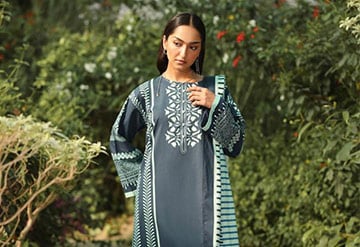
Fall and Winter Unstitched Fabrics: What to Buy This Season
Khaddar, karandi, jacquard, linen and more — a fabric-by-fabric guide to choosing unstitched suits for the cold season.
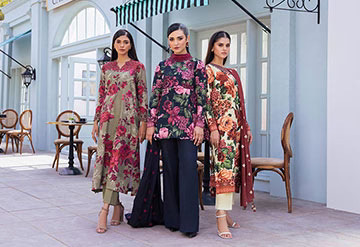
Buying unstitched fabric for winter is one of the smartest wardrobe moves you can make — you control the fabric, the fit, and the design. But winter brings more fabric options than any other season, and they are not interchangeable. A fabric perfect for October afternoons will leave you shivering in January, and vice versa. Here is a fabric-by-fabric guide to unstitched suits for fall and winter, so every purchase lands right.
Khaddar: The Winter Default
If you buy only one winter fabric, make it khaddar. This medium-weight woven cotton is warm, durable, and gets softer with every wash. It is the fabric of everyday Pakistani winter — office suits, home wear, university outfits — because it insulates well without feeling heavy.
Best for: Daily wear from November through February. Look for: A tight, even weave with real substance; printed khaddars for casual days, dyed or embroidered ones for smarter occasions. Keep in mind: It shrinks slightly on first wash, so pre-wash before stitching or buy with a little extra length.
Light Khaddar: The Transitional Fabric
Light khaddar is khaddar's finer, airier sibling — same family, less weight. It is the perfect fabric for autumn and early winter, for centrally-heated offices, and for milder cities where full khaddar feels excessive on sunny afternoons.
Best for: October, November, March, and all winter in Karachi and similar climates. Look for: Softness and drape — good light khaddar flows rather than standing stiff. Keep in mind: Because it is lighter, it pairs beautifully with a shawl, giving you adjustable warmth through unpredictable weather.
Jacquard: Woven Texture for Dressier Days
Jacquard's patterns are woven into the fabric itself, creating a raised texture that looks rich with zero embroidery. Winter jacquards come in cotton and blended bases with enough weight for the season, and they occupy the perfect middle ground: dressier than printed khaddar, lighter than embroidered festive suits.
Best for: Daytime gatherings, office events, family dawats, and daytime wedding functions. Look for: Clean pattern definition and short, neat floats on the reverse side. Keep in mind: The texture does the decorating — keep the stitching simple and let the weave speak.
Karandi: Crisp and Smart
Karandi is a textured fabric with a slightly crisp hand and a subtle ribbed or slubbed surface. It reads as polished and structured — the winter fabric for women who like their casual wear to look sharp. It holds its shape well, which makes it excellent for tailored cuts: band collars, structured necklines, cigarette pants.
Best for: Office wear and smart-casual winter dressing. Look for: Even texture and good recovery — press the fabric in your fist; quality karandi springs back. Keep in mind: Its structure means it suits simpler, cleaner designs better than fussy embellishment.
Linen and Linen Blends: Breathable Structure
Pure linen wrinkles famously, but winter's linen blends — linen mixed with cotton or viscose — keep the fabric's beautiful texture and breathability while taming the creasing. Linen-blend suits have a relaxed, natural elegance that works wonderfully for fall.
Best for: Transitional weather and smart daytime wear. Look for: Blends (the label should tell you the mix) rather than pure linen for winter, unless you enjoy the wrinkles. Keep in mind: Linen softens with washing and wears in beautifully — it is a fabric that rewards keeping.
Dobby: Subtle Geometric Texture
Dobby weave creates small geometric patterns — dots, tiny diamonds, micro-checks — woven into the fabric. Like jacquard it is a woven texture rather than a print, but subtler and more understated. Dobby suits look quietly expensive: interesting up close, clean from a distance.
Best for: Everyday elegance — office, university, daytime outings where you want polish without flash. Look for: Crisp pattern definition; the tiny motifs should be sharp, not blurred. Keep in mind: Dobby takes embroidery beautifully, so embroidered dobby suits give you texture plus embellishment in one fabric.
Cambric: The Year-Round Reliable
Cambric — a fine, smooth, tightly-woven cotton — is technically a year-round fabric, but it earns its winter place as the base for embroidered and printed suits worn with layers. A cambric suit with a sweater or shawl over it is a perfectly valid winter outfit, especially in milder regions and heated indoor spaces.
Best for: Layered winter dressing and milder climates. Look for: Smoothness and density — good cambric feels almost silky. Keep in mind: On its own it is not a cold-weather fabric; plan the shawl or sweater as part of the outfit.
Putting Together a Winter Unstitched Wardrobe
A practical cold-season unstitched haul:
- 3–4 suits in khaddar and light khaddar for daily wear
- 1–2 suits in karandi or dobby for smarter days
- 1–2 suits in jacquard for festive daytime occasions
- Cambric or linen for layering-friendly outfits
Buy winter unstitched fabric early in the season — the best prints and embroideries sell out, and tailors get booked solid by December. And always feel the fabric before you commit: weight, weave, and softness tell you more than any label.
Final Word
Winter's fabric range is its gift — from the honest warmth of khaddar to the woven richness of jacquard, there is a textile for every winter mood and occasion. Learn what each one does, buy for your actual climate and lifestyle, and your unstitched winter wardrobe will practically plan itself. Sapphire's fall/winter unstitched collections typically carry this full fabric spectrum each year, making it easy to compare them side by side before you choose.