Eid-ul-Adha Unstitched Style Guide: Festive Looks from Day to Dusk
Bold colour, beautiful embroidery, and unstitched fabrics you design yourself — your complete style guide to Eid-ul-Adha dressing.
Eid-ul-Adha has its own energy. It falls in summer, it centres on gathering and feasting, and its dressing leans joyful — bright colours, festive embroidery, outfits that look as celebratory as the day feels. Unstitched fabric is the natural choice: you pick the exact shade, place the embroidery where you want it, and get a fit no ready-made piece can match. Here is how to build your Eid-ul-Adha wardrobe, from the first morning to the last evening.
Start With Colour: Go Bold
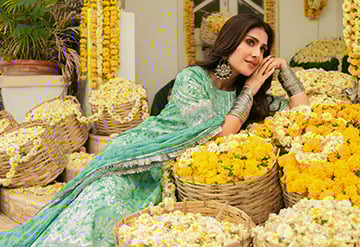
Eid-ul-Adha is not the occasion for restraint. This is the Eid of marigold yellows, festive fuchsias, emerald greens, and rich oranges — colours that glow in summer sunlight and photograph beautifully against the greenery of the season. If your everyday wardrobe runs neutral, Eid-ul-Adha is your permission slip to go vivid.
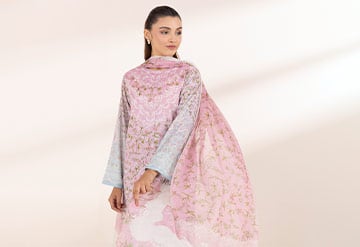
When choosing unstitched fabric, hold it up in natural daylight before committing — summer brights can look very different under shop lighting. And consider your dupatta strategy early: a contrasting dupatta (fuchsia with yellow, teal with orange) creates the festive colour-play that defines great Eid styling.
The Morning Look: Fresh and Festive
Eid-ul-Adha morning is busy — prayers, the qurbani arrangements, family arriving in waves. You need an outfit that looks celebratory from the first photo but stays comfortable through a long, warm day.
A three-piece embroidered lawn or cambric suit in a bright, happy colour is ideal. Keep the silhouette relaxed — a straight or A-line kurta, comfortable trousers or a traditional shalwar, and a lightweight dupatta you can manage easily. Flat sandals or khussas, fresh makeup with a bright lip, and simple jewellery complete a morning look that works from prayers to lunch without a change.
Midday to Afternoon: The Main Event Outfit
By afternoon, the dawat is in full swing, and this is where your standout suit earns its place. Eid-ul-Adha afternoons call for your most considered unstitched piece — richer embroidery, a more deliberate colour story, tailoring details that show thought.
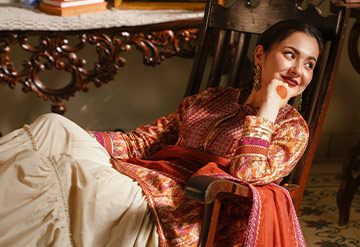
This is the slot for fabrics with presence: embroidered cambric with a worked dupatta, a jacquard with festive embroidery, or raw silk if the gathering is dressy. Stitching details matter enormously here — an embroidered neckline, finished sleeve borders, a dupatta with an embellished pallu. These are the choices that make an unstitched suit look like it came from a designer studio rather than a tailor's shop.
A note on embroidery placement: With unstitched suits, you decide where the embroidery goes. Concentrate it where it shows — neckline, sleeves, hem, dupatta borders — rather than spreading it thinly everywhere. Focused embellishment always looks more expensive than scattered.
Golden Hour to Evening: Softening the Look
As the day cools into evening, Eid gatherings shift outdoors — rooftops, lawns, long dinners under lights. Your outfit can shift too, even without changing: swap flats for heeled sandals, add statement earrings, deepen the lip colour, and re-drape the dupatta more loosely over the shoulders.
If you planned a second outfit for the evening, lean into summer-evening fabrics — a breezy embroidered suit in a slightly deeper tone than your daytime brights, or anything with a touch of sheen that catches the evening light. Pastels also work beautifully at dusk: a soft lilac or mint embroidered suit glows in golden-hour photographs.
Day Two and Three: Easy Elegance
The later days of Eid-ul-Adha are for visiting — relatives, friends, neighbours — and the dress code relaxes. A two-piece printed or lightly embroidered set is perfect: no dupatta to manage, comfortable for car rides and long sittings, still clearly festive.
This is also the ideal outing for the versatile pieces in your wardrobe — the embroidered kurta that works with different trousers, the suit you bought on sale. Eid is a marathon, not a sprint; pacing your best outfits across the days means you look fresh in every photograph, not just the first ones.
Fabric Choices for a Summer Eid
Eid-ul-Adha falls in summer, so fabric breathability is non-negotiable:
- Embroidered lawn and cambric: The backbone of a summer Eid wardrobe — festive but air-conditioned-friendly.
- Jacquard: For dressier moments; the woven texture adds richness without weight.
- Raw silk and silk blends: For evening events; rich but warm, so reserve for after-sunset.
- Chiffon dupattas: Light, floaty, and festive — the easiest way to dress up any suit.
Buy your fabric at least a month before Eid. Summer Eid collections sell through quickly, and tailors' order books fill up fast — the difference between a relaxed Eid and a stressful one is often just timing.
Final Word
Eid-ul-Adha dressing is about joy made visible — bold colours, thoughtful embroidery, outfits designed around your own taste. Plan a fresh morning look, one standout afternoon suit, and easy options for the visiting days, and choose fabrics that respect the summer heat. Celebrity Eid looks — the kind of polished festive styling you see on stars like Ayeza Khan each season — work as inspiration, not imitation: take the colour confidence and the styling polish, and make it unmistakably yours. Sapphire's unstitched Eid collections each year are built for exactly this kind of personal festive planning, from vibrant embroidered lawns to rich festive fabrics.