How to Layer for Winter: A 5-Step Guide to Looking Chic
Winter layering is a skill, not a talent — follow these five steps to build warm, polished cold-weather outfits that actually look intentional.
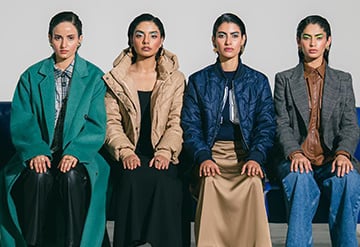
There is a fine line between "effortlessly layered" and "wearing everything I own because it is cold." Good winter layering looks deliberate — each piece visible, each piece earning its place. The secret is building in the right order. Here is a five-step method that works every time.
Step 1: Start with a Warm, Fitted Base
Every great layered outfit begins underneath. A fitted thermal or a thin full-sleeve top in a neutral colour creates a foundation of warmth without bulk. This layer should sit close to the body — it is doing the thermal work so your outer layers can focus on looking good. Black, white, and beige bases disappear under anything.
Step 2: Add Your Main Piece
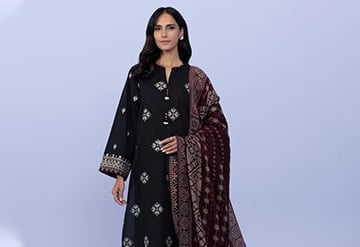
This is the star of the outfit — the kurta, sweater, or dress that defines the look. In Pakistani winters, this is often a khaddar kameez, a chunky knit sweater, or a ribbed dress. Choose something with enough presence to carry the outfit, because the layers on top should frame it, not hide it.
Step 3: Layer with Texture
Now add visual interest: an open cardigan, a denim jacket, or a waistcoat over your main piece. The trick is contrasting textures — a soft knit over smooth cotton, a structured jacket over a flowy kurta. This middle layer adds warmth and gives the outfit its "styled" feel. Keep it open in front so your main piece stays visible.
Step 4: Top with Structured Outerwear
The outermost layer should have shape: a tailored coat, a leather jacket, or a neat blazer. This is what pulls everything together and gives the outfit its finished silhouette. In our relatively mild winters, a medium-weight coat is usually enough — save the heaviest outerwear for January's coldest weeks or trips north.
Step 5: Finish with Accessories
Accessories are where layered outfits go from good to great. A scarf adds colour and covers the neckline gap; a shawl draped over everything adds warmth and elegance; boots ground the whole look. Do not skip this step — it is the difference between "dressed warmly" and "dressed well."
Layering Rules Worth Remembering
- Vary your lengths. A longer coat over a shorter sweater, or a long cardigan over a tucked-in top, creates pleasing proportions.
- Balance bulk. If the bottom is voluminous (wide trousers, flared shalwar), keep the top more fitted, and vice versa.
- Stick to a palette. Three colours maximum keeps layered outfits cohesive. Neutrals plus one accent colour is foolproof.
- You should be able to remove a layer. Pakistani winter days warm up by afternoon — build outfits that survive losing the coat.
Common Layering Mistakes to Avoid
Too much bulk in one place: piling thick layers on top and bottom creates a shapeless silhouette. Distribute volume — if the sweater is chunky, keep the bottom streamlined.
Hiding your shape entirely: layers should frame your figure, not erase it. A belt over a cardigan, a tucked-in base layer, or a structured coat all preserve definition.
Clashing textures: some texture contrast is good; chaos is not. Two or three different textures maximum per outfit.
Forgetting the neckline: the area where layers meet at the neck draws the eye. Make sure it looks intentional — a scarf, a neat collar, or a clean neckline, not a jumble of competing edges.
Dressing for the coldest minute: build for the day you'll actually have, with layers you can remove — not for the coldest five minutes of the morning.
Master these five steps and winter stops being a style problem. It becomes the season where you have the most fun getting dressed.