One Stitch Idea for Every Day: 7 Ways to Tailor Your Unstitched Suits
Seven days, seven stitching ideas — from boardroom-crisp to Sunday-flowy — to get completely different outfits out of your unstitched fabric stash.

The magic of unstitched fabric is that the same three pieces can become seven different outfits depending on what you ask your tailor to do. If your wardrobe feels repetitive despite a drawer full of fabric, the problem is not the prints — it is the patterns. Here is a stitching idea for every day of the week, each with a distinct personality.
Monday: The Boardroom Straight Cut
Start the week sharp. A straight-cut kameez with high side slits, a crisp band collar, and cigarette pants reads professional and put-together. Keep the sleeves simple — full or three-quarter — and skip heavy embellishment. This is the silhouette that means business, and it works in every fabric from cambric to linen.
Tuesday: The Angrakha Wrap
Mid-week deserves a little drama. The angrakha's diagonal wrap closure with dori ties is flattering on almost everyone — it defines the waist without tailoring tricks. Ask for a medium flare and a contrasting inner panel peeking at the wrap for a designer touch. It looks far more complicated than it is to wear.
Wednesday: The A-Line With Pockets
The A-line shirt that skims from shoulder to hip is the most forgiving cut in eastern wear, and adding side-seam pockets makes it the most practical. Wednesday is for getting things done, and an outfit that carries your phone without a bag is a quiet superpower. Pair with straight pants for a clean line.
Thursday: The Short Shirt and Straight Pant
Channel a modern retro mood: a hip-length straight shirt with a straight trouser. It is youthful, easy to move in, and shows off nice footwear. This cut works beautifully with bold prints — geometric, abstract, large florals — that might overwhelm a longer shirt.
Friday: The Embroidered Yoke Kurta
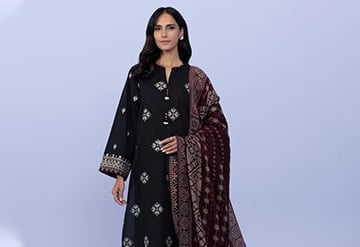
End the work week on an elevated note. A simple long kurta with all the interest concentrated in an embroidered yoke — threadwork, a little mirror, a delicate lace insert — looks festive enough for Friday prayers and dinner after. The rest of the shirt stays plain, which keeps it versatile for months.
Saturday: The Kaftan Cut
Saturday is for comfort that still looks intentional. A kaftan-cut shirt — wide, flowing, with deep side slits — over slim trousers is the desi equivalent of a great weekend dress. It is also brilliantly forgiving after a big Saturday lunch. Choose a fluid fabric like crepe or soft cambric so it drapes rather than billows.
Sunday: The Flowy Maxi Shirt
Close the week with the most relaxed silhouette of all: a long, flowy shirt — almost tunic-maxi length — with palazzo pants. It is graceful, comfortable, and perfect for family lunches and lazy evenings. A printed fabric does all the work here; the cut just needs to stay simple.
Talking to Your Tailor: Getting What You Pictured
The gap between the reference photo and the finished outfit is usually communication. Show your tailor the photo, then point to specifics: "this neckline, this sleeve length, this flare." Discuss fabric behavior — a design that works in chiffon may fail in khaddar. Agree on the trouser style explicitly; tailors default to their house style unless told otherwise. And always schedule a fitting before final finishing — hems, sleeve lengths and neckline depths are adjustable only before the last stitch.
Fabric Allocation: Making Three Pieces Stretch
Unstitched suits give you limited fabric, so plan the cuts in order of importance: the shirt first (it needs the most), then the trouser, then the dupatta or finishing. If you want an extra-flared design, mention it before cutting — your tailor may need to piece the flare cleverly or suggest a simpler silhouette. A good tailor will tell you honestly what your fabric can and cannot do; listen to them.
Making It Happen
Take screenshots or save reference photos for each style and share them with your tailor before cutting — a picture prevents a hundred misunderstandings. Stitch one new silhouette a month rather than all seven at once, and within half a year your "same old suits" will feel like a whole new wardrobe.